Why healthcare plumbing is different
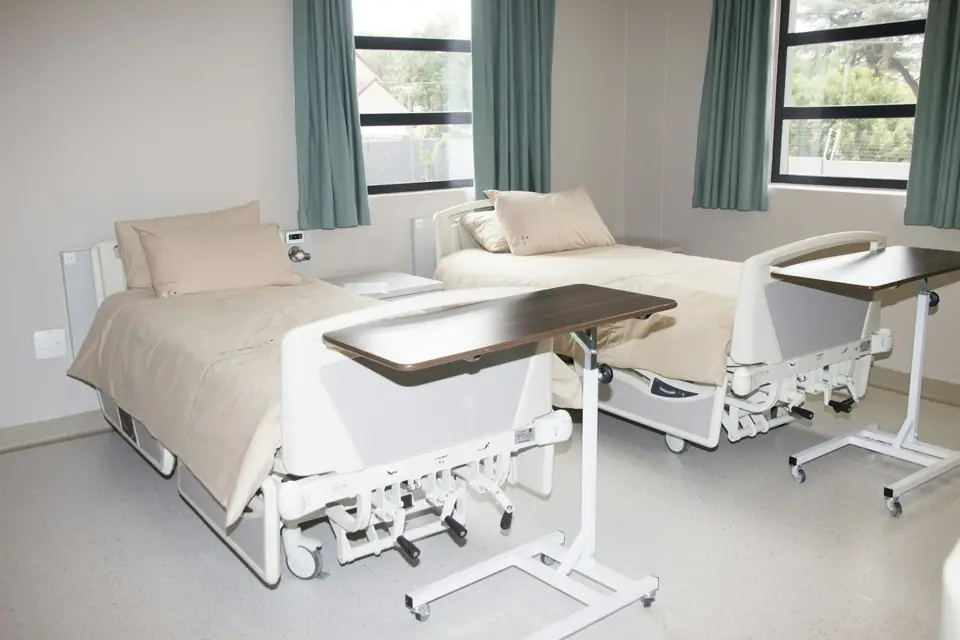
Clinics depend on handwashing sinks and hot water, and many have equipment that connects to the water supply: dental chairs, sterilizers, lab equipment. Those connections usually need backflow protection. Downtime means cancelled appointments.
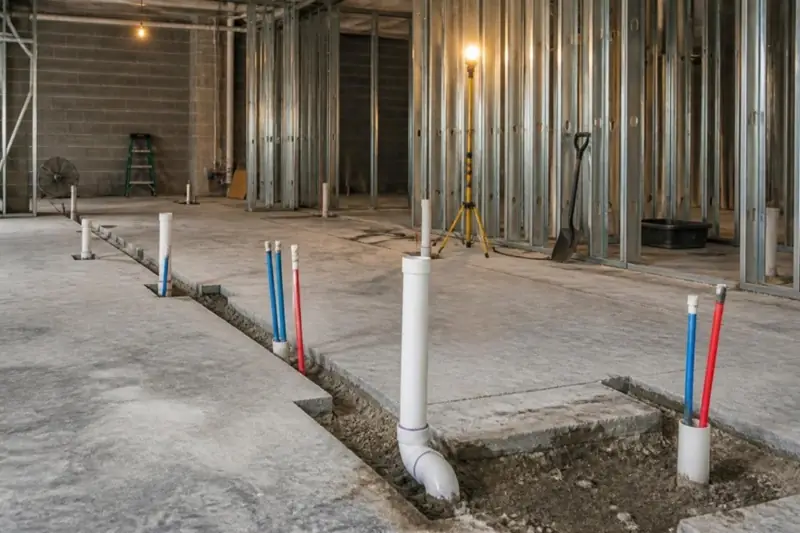
Healthcare spaces also get finished out and remodeled often, and each change needs permitted, inspected plumbing.
Common healthcare plumbing work
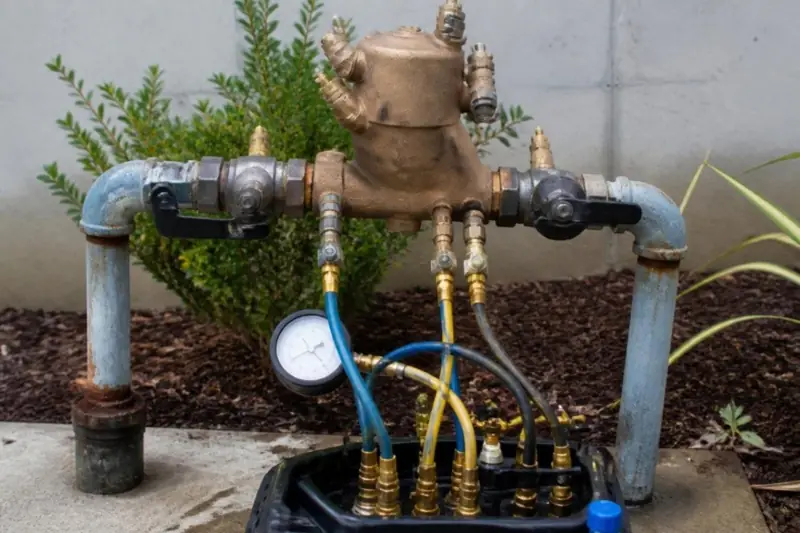
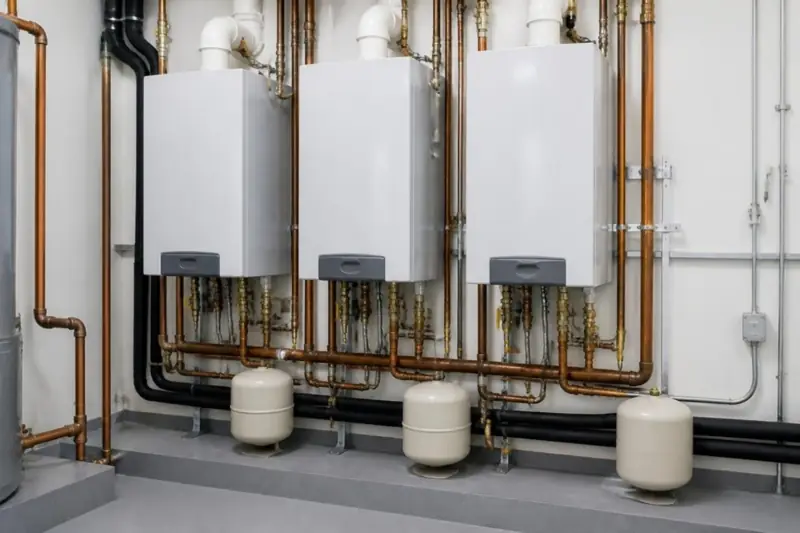
Backflow testing and installation for equipment and the main service. Water heater repair and replacement, often with mixing valves for safe water temperature at sinks. Exam and procedure room sinks. ADA restroom fixtures. Medical office finish-outs, coordinated with the general contractor.
Working around patients
Plumbers we refer schedule non-emergency work before or after clinic hours or on weekends, keep work areas contained, and communicate shutoffs in advance.
Dental offices: amalgam separators
Under the EPA's dental effluent rule (40 CFR Part 441), dental offices that place or remove amalgam must operate and maintain an amalgam separator. They also may not discharge scrap amalgam or use certain line cleaners. Existing and new offices must file a one-time compliance report with their pretreatment Control Authority, usually the local wastewater utility. Some cities around Austin publish their own form, such as Cedar Park's Dental Office One Time Compliance Report.
Installing or replacing a separator is plumbing work on the chair-side vacuum and drain lines. It's often done during a dental finish-out or remodel, so plan it with the general contractor.
Hospitals: water management and Legionella
The Centers for Medicare & Medicaid Services issued guidance on July 6, 2022 (QSO-22-20). It expects Medicare-certified hospitals to have water management policies and procedures. Their goal is to reduce the risk of Legionella and other opportunistic pathogens growing in building water systems. The guidance points to the ASHRAE industry standard and the CDC toolkit.
Plumbers support those programs with the physical work. That includes removing dead-end piping where water sits still. It also means servicing mixing valves and water heaters so temperatures stay in the target range, and keeping records of flushing and repairs.
Backflow protection on medical equipment
Dental chairs, sterilizers, lab sinks and similar equipment are cross-connections. They usually need a high-hazard assembly such as an RPZ, tested every year by a licensed tester. See RPZ valves explained.
Services requested most often
- Backflow Testing & Repair
- Commercial Water Heaters & Boilers
- Tenant Finish-Out & New Construction
- Leak Detection
- Emergency Commercial Plumbing
- Preventive Maintenance Plans
Healthcare & Medical Offices plumbing FAQ
Does dental or medical equipment need backflow protection?
Equipment connected to the water supply, such as dental chairs, sterilizers and some lab equipment, commonly needs backflow protection, and the assemblies need periodic testing. Your plumber and water utility can confirm what applies.
Why do clinics use mixing valves on water heaters?
Water heaters often run hot enough to control bacteria, and thermostatic mixing valves then deliver safer, lower-temperature water at sinks. They need periodic checks to keep working correctly.
Can plumbing work be done without cancelling appointments?
Planned work is usually scheduled before or after clinic hours or on weekends, and water shutoffs are coordinated in advance.