Commercial Plumbing by Industry
Every type of commercial building has its own plumbing problems and compliance needs. Choose your industry to see the services, schedules and requirements that matter most for your property.
Choose your property type
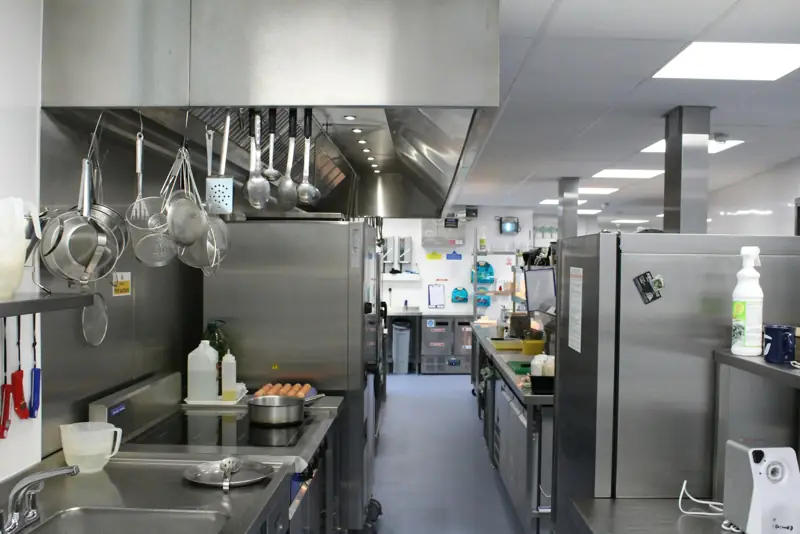
Restaurants & Commercial Kitchens
Grease traps, floor drains, dish machine lines and hot water, serviced after close so you never lose a dinner rush.
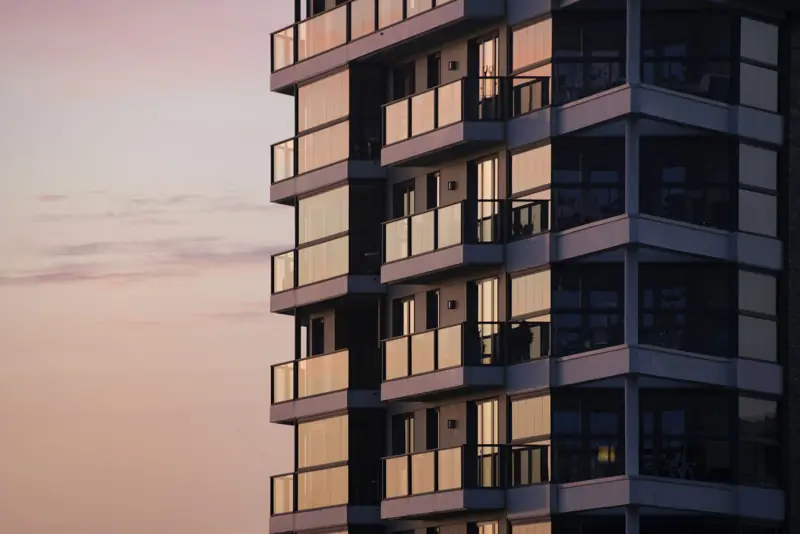
Apartments & Multifamily
Stack line clogs, water heater banks, unit-turn repairs and building-wide shutoffs with resident notice.
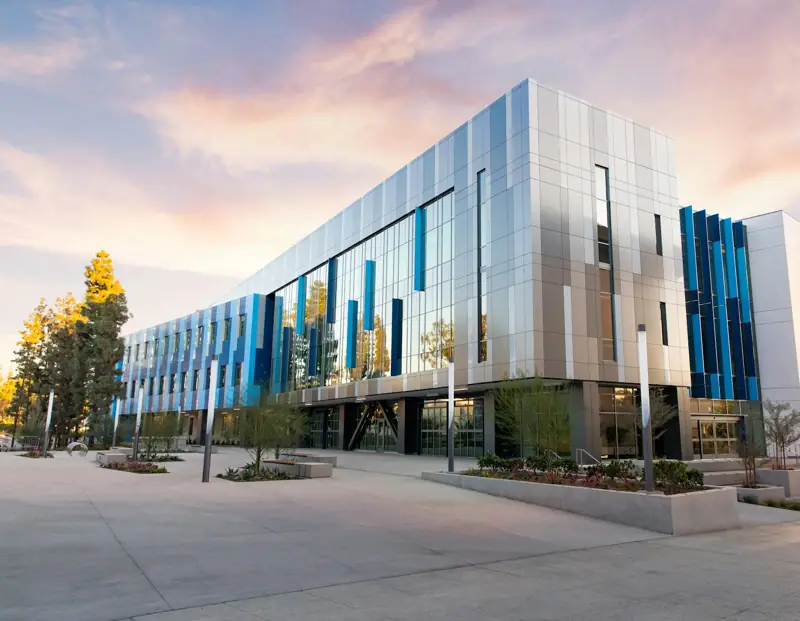
Office & Retail Property Management
One call for every site in your portfolio. COIs, work-order numbers and invoices that match your system.
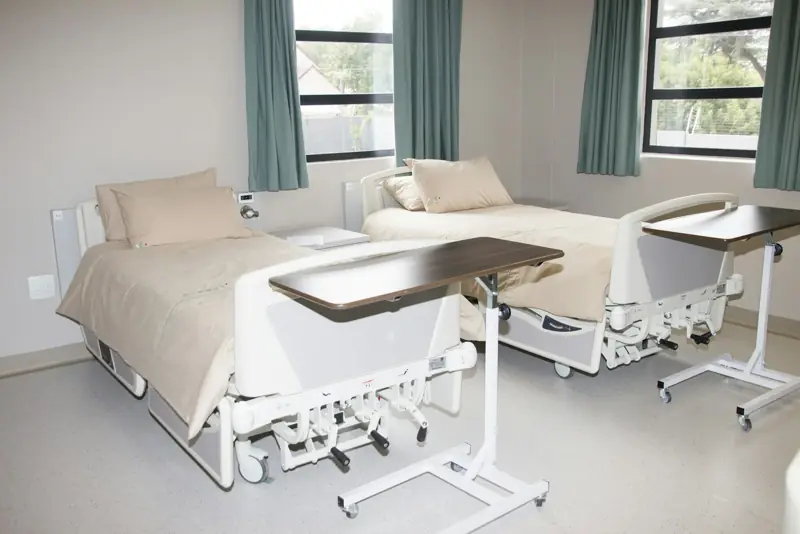
Healthcare & Medical Offices
Backflow compliance, sinks, sterilization rooms and scheduling around patient hours.
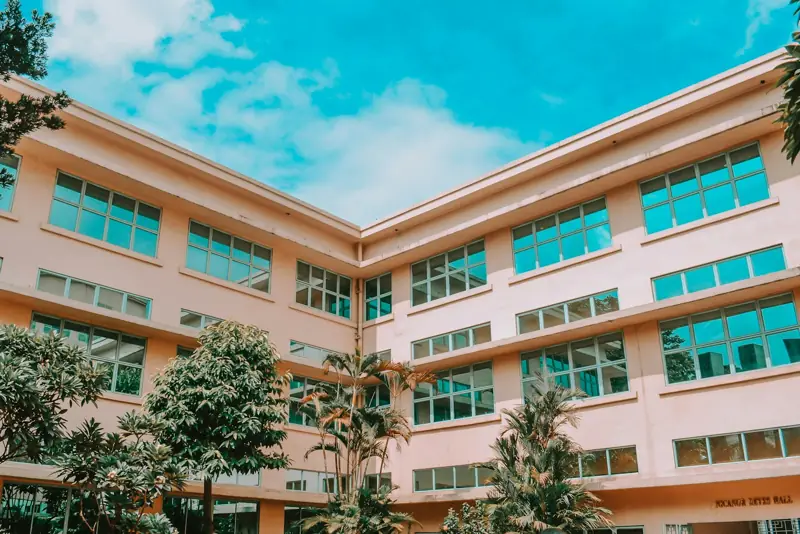
Schools & Churches
High-use restrooms, fixture upgrades and summer or midweek projects planned around your calendar.
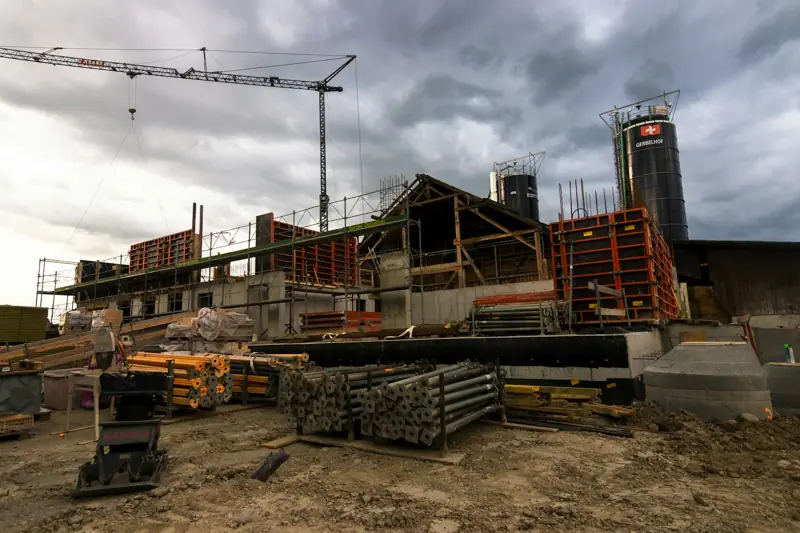
General Contractors
Licensed plumbing subcontractors for tenant finish-outs and new builds, with bids returned on time.
Why industry experience matters
A restaurant, an apartment community and a medical office can all call about "a clog", and need three different responses. In a restaurant it's usually grease in the kitchen line and a grease trap due for pumping (see what grease trap cleaning costs). In an apartment building it's often a shared stack line affecting several units. In a medical office the work has to be scheduled around patients, and backflow assemblies on equipment connections need annual testing.
Plumbers who regularly work in your type of building know where the problems start, what paperwork you need afterward, and how to schedule the work so you stay open.
One rule to know for each property type
Restaurants
In the City of Austin, grease traps must be pumped by a permitted hauler at least every three months. See restaurant plumbing.
Medical and dental
Dental offices that place or remove amalgam must operate and maintain an amalgam separator under the EPA dental effluent rule. See healthcare plumbing.
Apartments
Owners who bill residents through submeters or an allocation formula must register each property with the Public Utility Commission of Texas. See multifamily plumbing.
Schools and churches
The EPA recommends flushing drinking-water outlets after weekends and breaks. See schools and churches.
What every commercial property has in common
Whatever the building, the same few things help prevent emergencies: annual backflow testing, scheduled drain jetting on busy lines, water heater maintenance for Austin's moderately hard water (see the water hardness guide), and freeze preparation before winter. Our guides cover these in detail, starting with the freeze-proofing checklist and what backflow testing involves. A preventive maintenance plan puts all of it on one schedule.