Multifamily plumbing is building-wide
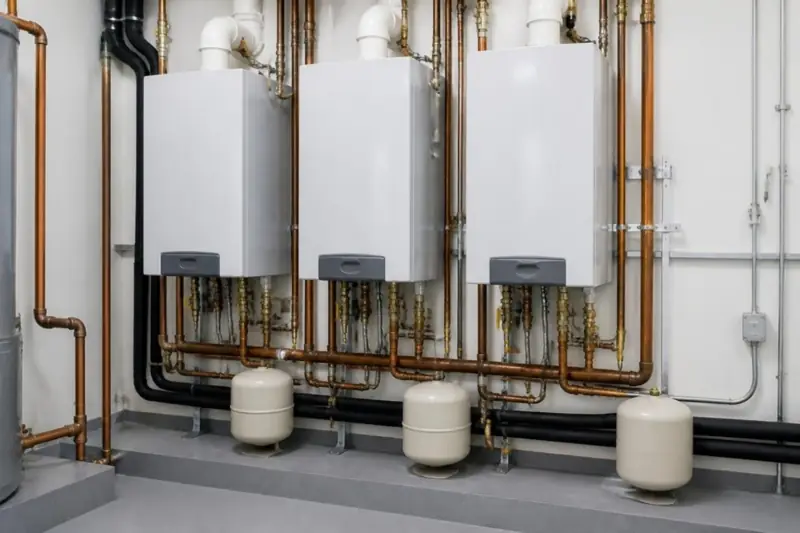
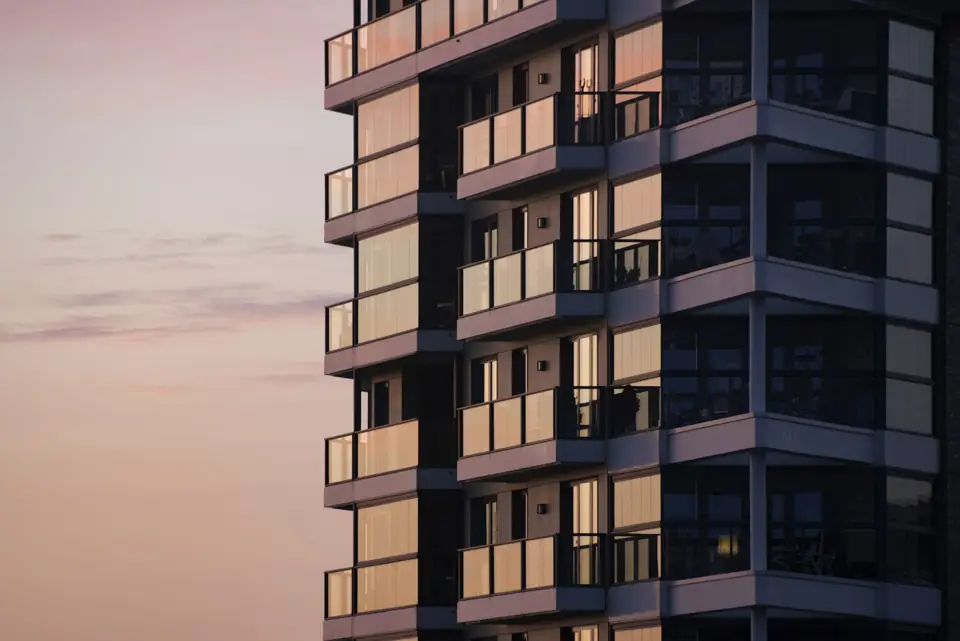
In an apartment building, one clogged stack line can back up into every unit below it. One failed water heater in a central bank can leave a whole wing without hot water. And a supply leak on an upper floor quickly becomes a ceiling problem for the units underneath.
Multifamily work also involves residents. Water shutoffs need notice, access has to be coordinated with the office, and work needs to be documented against your work-order system.
Common multifamily calls
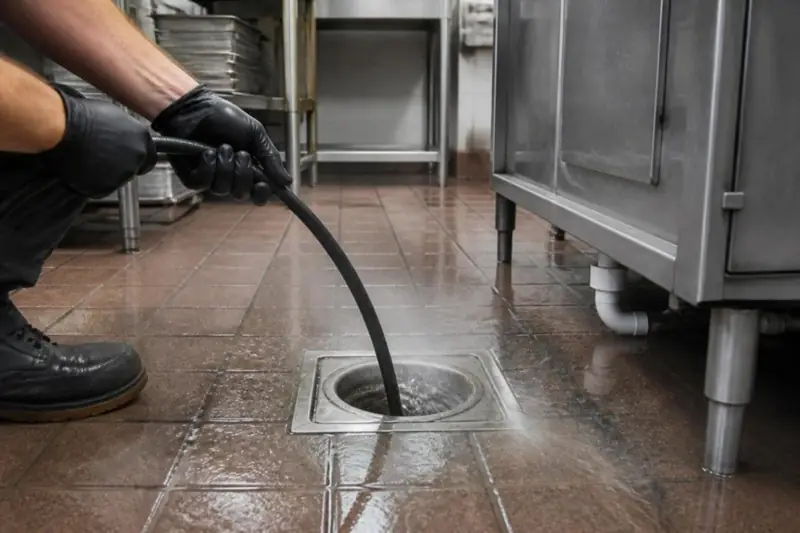
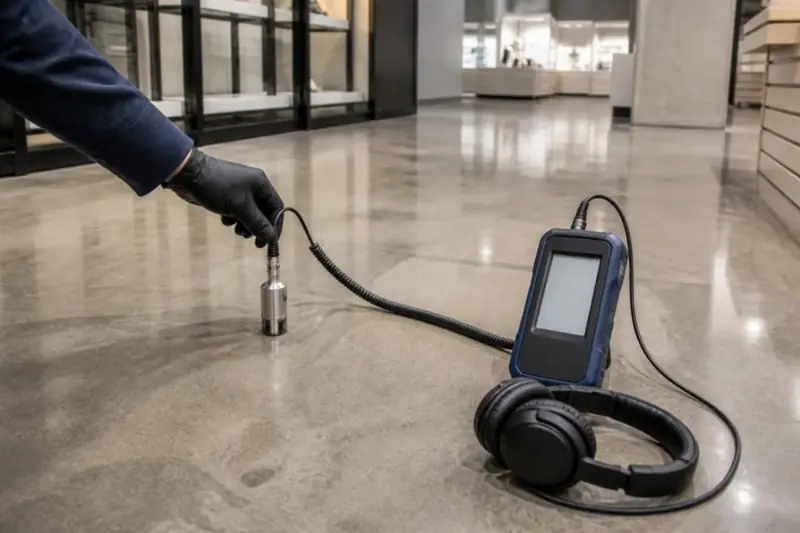
Stack and branch line clogs from grease and wipes, best fixed with jetting and a camera inspection. Water heater banks and boilers that need repair, flushing or right-sized replacement. Slab and in-wall leaks that show up as high water bills or damage in the unit below. Unit turns: fixtures, valves and supply lines replaced between residents. And freeze damage to exposed lines in breezeways and attics during a hard freeze.
Working with property managers
Plumbers we refer can reference your work-order numbers, send photos and reports, provide COIs, and handle several properties on one schedule. A preventive maintenance plan that jets problem stacks and services water heaters on a calendar usually costs less than a year of emergency calls.
Backflow, billing and freeze risk in apartment communities
Most apartment communities have several backflow assemblies: on the domestic service, the fire sprinkler line, irrigation and sometimes pool fill lines. In Austin Water's service area, assemblies have to be tested every year by a licensed tester. A community with many assemblies benefits from testing them all on one visit with the reports filed together. Communities outside Austin follow their own city's program. Our service-area pages list the rules city by city.
Many communities bill residents for water themselves. The utility reads one master meter for the property, and the owner then splits the bill. With submetered billing, a submeter at each unit measures actual use. With allocated billing, a formula divides the charges. Either way, the Public Utility Commission of Texas (PUCT) says the owner must follow its rules (16 TAC Chapter 24, Subchapter I). The owner must also file a Registration of Submetered or Allocated Utility Service form for each property where tenants are billed.
The PUCT's reference sheet sets the bar for an "apartment house". A property needs five or more interconnected dwelling units, rented at intervals of a month or longer. Duplexes, triplexes and "horizontal apartments" with four or fewer interconnected units don't qualify. The reference sheet also lists "all bills paid" as an alternative to submetering or allocation.
That matters for plumbing work. Adding, replacing or relocating unit submeters during a renovation changes how residents are billed. Loop in whoever handles your utility billing before the work starts, not after.
Breezeways, attics and exterior walls are where apartment pipes freeze first. A walk-through before winter, with insulation on exposed lines and heat kept on in vacant units, prevents most freeze damage. See our freeze-proofing checklist.
Services requested most often
- Drain Cleaning & Hydro Jetting
- Commercial Water Heaters & Boilers
- Leak Detection
- Emergency Commercial Plumbing
- Preventive Maintenance Plans
- Sewer Line Repair & Camera Inspection
Apartments & Multifamily plumbing FAQ
Who is responsible for a clogged stack line in an apartment building?
Stack and main lines serve many units, so they're normally the property's responsibility, while clogs inside a single unit's fixtures may be handled under the lease. A camera inspection shows where the blockage is.
How much notice should residents get before a water shutoff?
Check your lease and local requirements. Many properties give at least 24 to 48 hours' notice for planned shutoffs. Emergencies may require an immediate shutoff to prevent damage.
How can we reduce plumbing emergencies across our community?
Scheduled jetting of problem stacks, water heater servicing, labeled and exercised shutoff valves, and freeze preparation before winter prevent most after-hours calls.