Austin's commercial construction market is busy, and plumbing is often on the critical path of a finish-out. Restaurant spaces need grease interceptors, floor sinks and indirect waste. Medical offices need exam-room sinks and sometimes special equipment connections. Offices need ADA-compliant restrooms. Every one of them needs underground work coordinated before the slab is patched.
Delays usually come from the same places: an undersized interceptor, a missed inspection, fixture submittals that don't match the drawings, or a plumber who's overbooked. Experienced finish-out plumbers plan around those.
What's included
- Bids and value engineering from architectural and MEP drawings
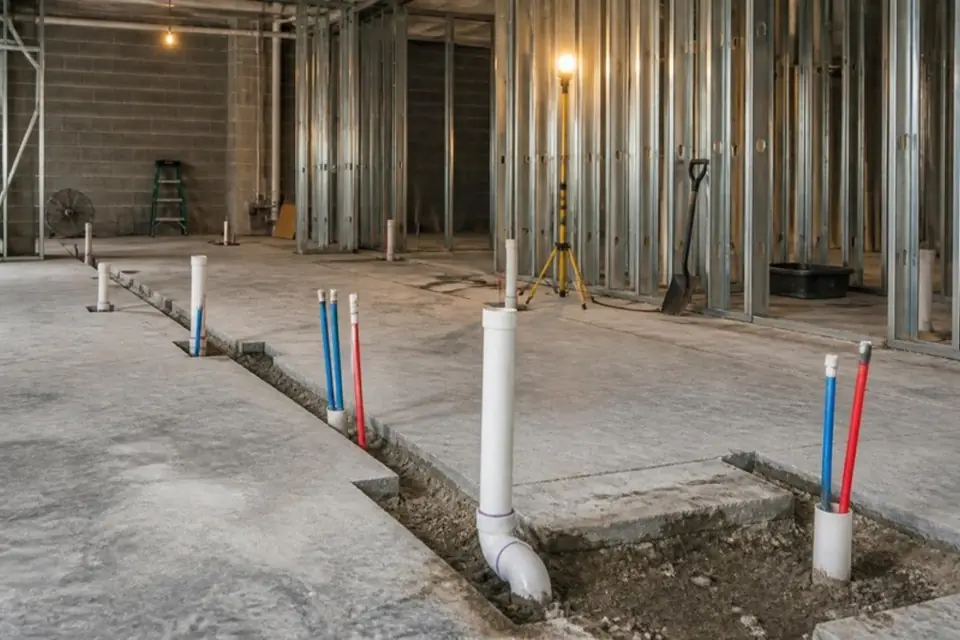
- Saw-cutting and underground rough-in in existing slabs
- Top-out (in-wall) water, waste and vent piping
- Grease interceptors, floor sinks and indirect waste for restaurants
- ADA restroom fixture installation
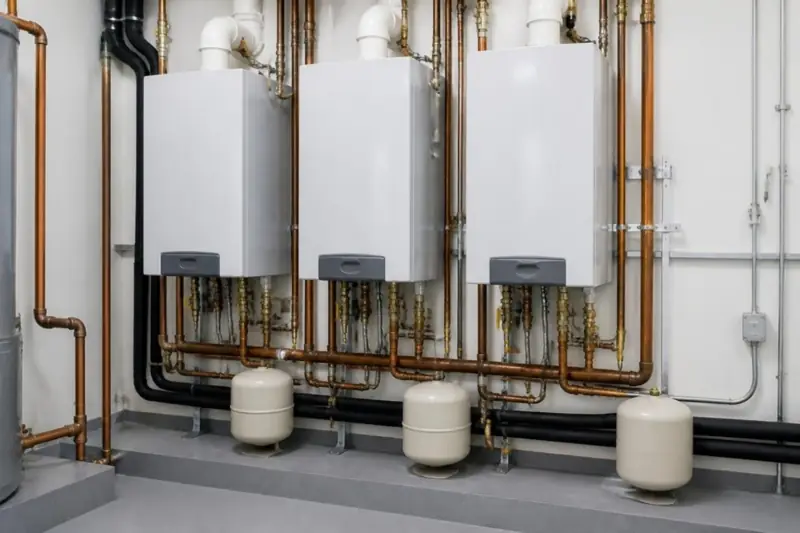
- Water heater and gas piping
- Permits, inspections and test documentation
- Final trim-out and punch list
Bring a plumber in early if
- You're signing a lease for a restaurant or medical space
- The space needs new restrooms or relocated fixtures
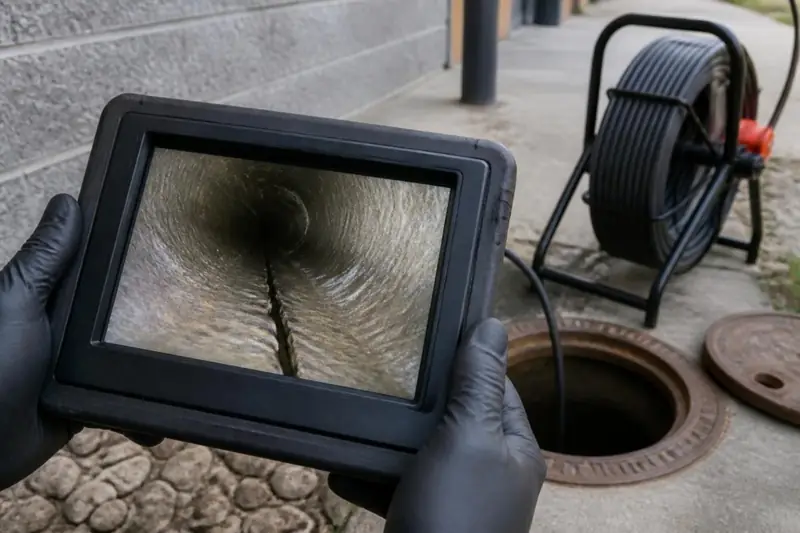
- The existing plumbing hasn't been inspected by camera
- The drawings call for a grease interceptor
- You're on a tight opening date
Permits and inspections in Austin
- Permit Per job
- Requested by a licensed plumbing contractor registered with the City of Austin.
- Inspections 3 stages
- Typically underground, top-out and final.
Commercial plumbing work in the City of Austin is permitted through the Development Services Department and inspected in stages, typically underground, top-out and final. Austin enforces the Uniform Plumbing Code with local amendments. Plumbing permits are requested by a licensed plumbing contractor who is registered with the City (see Development Services' permit types). Surrounding cities (Round Rock, Cedar Park, Georgetown, Pflugerville and others) have their own permit offices and adopted codes, so an experienced local plumber matters.
Tenant finish-out plumbing, step by step
Most Austin finish-outs follow the same sequence. Knowing it helps you see where plumbing can hold up the schedule:
- Due diligence. Before the lease is signed, check the sewer line by camera, the water service size, the gas capacity and any existing grease interceptor.
- Drawings and bid. The plumbing contractor bids from the architectural and MEP drawings and flags anything that doesn't fit the existing building.
- Permit. The plumbing permit is requested through Development Services, as described above.
- Underground. The slab is saw-cut, new waste and vent lines are laid and tested, and the underground inspection passes before concrete is patched.
- Top-out. In-wall water, waste and vent piping is installed and inspected before walls close.
- Trim-out and final. Fixtures, water heaters and equipment are set, the final inspection passes, and closeout documents go to the GC and the landlord.
Finish-out plumbing by space type
Restaurant finish-outs
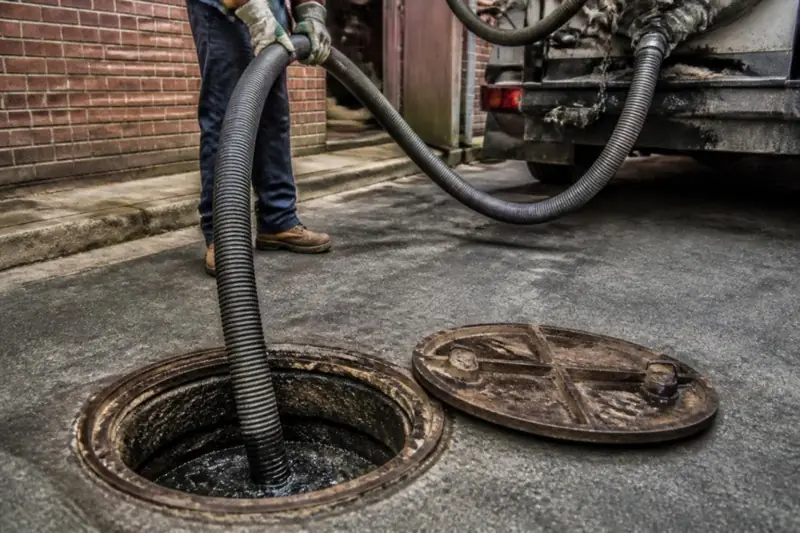
Restaurants carry the most plumbing risk. In the City of Austin, food-service businesses that produce grease generally need a grease trap or interceptor approved by Austin Water and sized under its grease trap sizing and design criteria. Floor sinks, indirect waste for ice machines and prep sinks, and the dish machine's hot water all add underground and top-out work. Settle the interceptor's size and location before the slab is cut, with the landlord's approval. See grease trap installation.
Medical and office finish-outs
Offices mostly need accessible restrooms, break rooms and the water heater to serve them. Medical and dental spaces add exam-room sinks and equipment connections that often need backflow protection, so place the backflow assembly where it can be reached for its yearly test.
How it works
Review and bid
The plumber reviews drawings and existing conditions and returns an itemized bid.
Permit and schedule
Permits are pulled and work is scheduled around your general contractor's timeline.
Rough-in and inspections
Underground and top-out work is installed, tested and inspected.
Trim-out and closeout
Fixtures are set, the final inspection passes, and closeout documents are delivered.
What does tenant finish-out cost in Austin?
Finish-out plumbing is bid per project from drawings. These are rough ranges for budgeting only.
| Service | Typical range |
|---|---|
| Small office restroom build-out | $8,000 – $25,000 |
| Retail / office finish-out plumbing | $15,000 – $60,000 |
| Restaurant finish-out plumbing | $40,000 – $150,000+ |
| Grease interceptor installed | $8,000 – $30,000+ |
Planning estimates, not quotes (2026). Final price depends on size, access and parts. Your plumber confirms it before work starts. How we estimate
Get a free quoteSee all commercial plumbing costs
Property types we match plumbers for
Tenant Finish-Out FAQ
Do I need a permit for plumbing in a tenant finish-out?
Yes. Commercial plumbing work in Austin and surrounding cities requires a permit pulled by a licensed plumber, with inspections at key stages.
How long does finish-out plumbing take?
It depends on the scope. A simple office restroom may take a week or two of plumbing work across the schedule. A full restaurant build-out takes several weeks spread across underground, top-out and trim phases.
Can you work as a subcontractor to my general contractor?
Yes. Most finish-out plumbing is done as a subcontract to the GC, with the plumbing contractor handling permits and inspections for their scope.
What should I check before leasing a restaurant space?
Check four things: whether there's an existing grease interceptor and its size, where the sewer line exits and its condition (camera it), the gas service capacity, and the water service size. Those four things drive most restaurant plumbing costs.
Still have questions?
Licensing, permits, pricing and emergencies are covered in the full FAQ.
Related guides
- How Much Does Backflow Testing Cost in Austin? (2026)
- Is Austin Water Hard? What the 2025 Numbers Mean for Commercial Buildings