Key takeaways
- A commercial leak detection visit typically runs about $300 to $800, and slab leak repair with direct access about $2,000 to $5,000 (2026 estimates).
- Austin Water says property owners are responsible for service lines past the meter and for internal plumbing.
- Test first: read the meter, use no water for a few hours, and read it again.
- Austin Water accepts leak bill adjustment requests within 90 days of the repair, with the paid repair invoice.
- Insurance coverage depends on your policy, so call your insurer before any tear-out work starts.
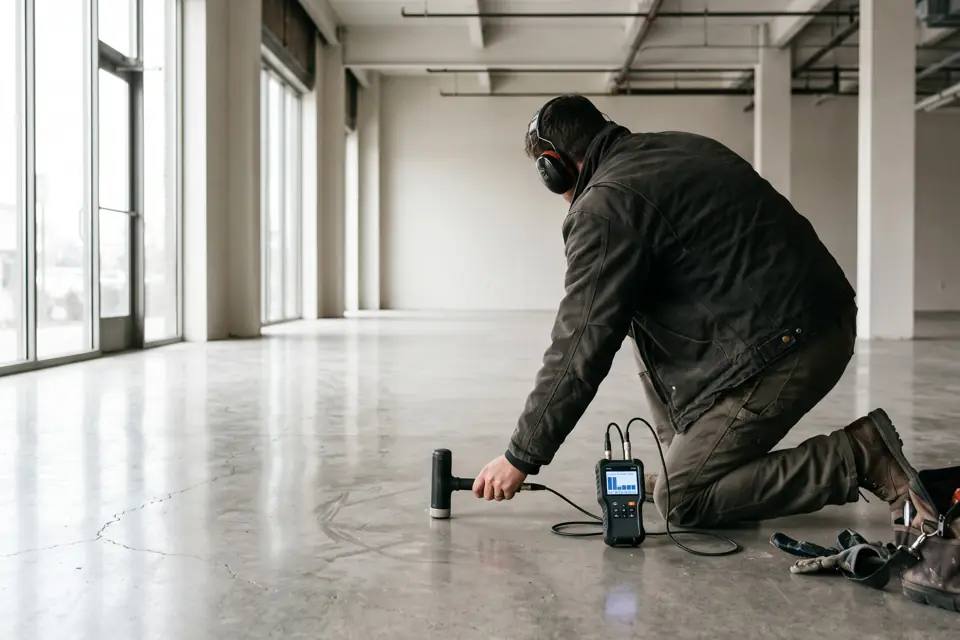
Leak detection is the work of finding a hidden water leak without tearing out walls, floors or pavement to look. Plumbers use listening equipment, pressure tests on isolated sections of pipe, thermal imaging and line locators to narrow a leak to one spot, so the repair opening is as small as possible.
For a commercial building, the detection visit is usually the cheaper half of the job. The repair, especially under a slab, is the larger number. The ranges below are general Austin-area estimates for 2026, prepared for budgeting. They are not quotes.
| Service | Typical range |
|---|---|
| Leak detection visit | $300 – $800 |
| Service line leak location (meter to building) | $300 – $800 |
| Slab leak repair (direct access) | $2,000 – $5,000 |
| Line reroute | $1,500 – $6,000+ |
| Irrigation leak locate and repair | $250 – $900 |
Planning estimates, not quotes (2026). Final price depends on size, access and parts. Your plumber confirms it before work starts. How we estimate
Get a free quoteCheck the meter before you call
Austin Water's own test is free: write down a meter reading and check it again a few hours later without using any water in between. The EPA suggests the same check, before and after a two-hour period when no water is used. In a commercial building, do it while the building is closed and automatic equipment such as irrigation and ice machines is off.
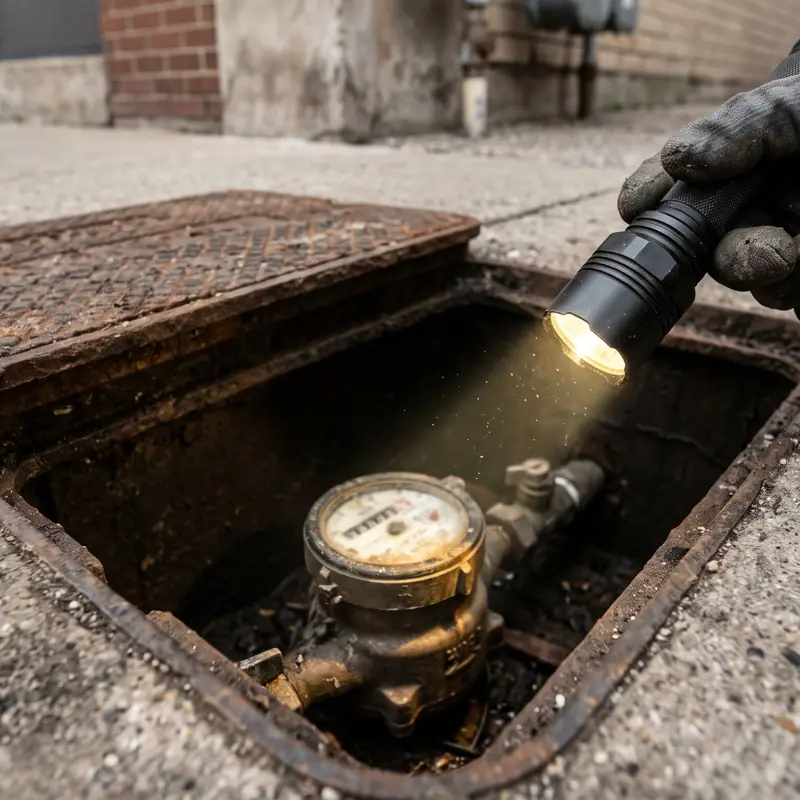
If the meter moves, there's a leak somewhere past it. Austin Water's My ATX Water smart meters also show daily use and can send notifications for sudden increases, which helps you spot a leak between bills.
What changes the price of leak detection
Where the leak is. A leak in an exposed wall line is quick to find. A leak under a slab, under paving or along a long buried service line takes more equipment and time.
Building size and zones. A building with zone shutoffs lets the plumber isolate sections and test them one at a time. Without them, the search takes longer.
Method. Simple listening and pressure testing cost less than a full day with several tools. The plumber picks the method based on the pipe material, depth and noise in the building.
Timing. Searching before opening or after close may cost more, but a quiet building makes listening equipment work better.
Report. A written report with marked locations and photos, useful for a landlord or insurer, can add to the visit.
Who pays for a leak in Austin?
Austin Water is responsible for maintaining and repairing water mains. Property owners are responsible for service lines past the meter and for internal plumbing. A leak between the meter and the building is the owner's to find and fix.
In a multi-tenant building, the lease usually decides whether the landlord or the tenant pays. A detection report that pins down the location helps settle that.
Austin Water's leak bill adjustment
After a repair, you can ask Austin Water for a water leak bill adjustment. Submit it within 90 days of the leak repair. Include a copy of the repair receipt or paid invoice, your account number and the property address. Add the date range of the high bills and a description of the repair.
Two cautions. Austin Water notes that a customer who receives a leak adjustment may not request an administrative hearing for the same billing period. And the page doesn't spell out eligibility for every account type, so confirm with Austin Water before you count on a credit.
Slab leak repair cost
A slab leak is a leak in a water line that runs under or through a concrete floor. Once it's found, there are two common repairs:
- Direct access, typically about $2,000 to $5,000. The plumber cuts a small opening in the floor at the leak, repairs the pipe and patches the concrete.
- Reroute, typically about $1,500 to $6,000 or more. The leaking line is abandoned under the slab, and a new line runs through walls or ceilings instead. It's often chosen when the old line has more than one leak.
Ground movement is part of why slab leaks happen here. East of Austin, Blackland Prairie clays such as Houston Black have high shrink-swell potential, so they move with wet and dry seasons. For larger line work, see water lines and repiping.
When leak detection pays for itself
It usually does, if the meter test shows a leak. For scale, the EPA estimates that the average household's leaks waste more than 9,300 gallons a year, and that 9% of homes have leaks wasting 50 gallons or more a day. A commercial building has more fixtures and longer pipe runs, so a hidden leak can run longer before anyone notices.
The chart shows how one such leak adds up over time. A detection visit that finds it early also limits damage to finishes, inventory and tenants below.
Insurance and leak detection costs
It depends on your policy. In general, some property policies cover sudden water damage and the cost of opening a wall or floor to reach the leak. The pipe repair itself may not be covered, and some policies exclude slow, long-term leaks. Your policy wording decides. Call your insurer before any tear-out starts, and keep the detection report, photos and invoices.
How to keep leak costs down
Read the meter monthly during closed hours, or watch My ATX Water for unusual use.
Know your shutoffs. Label the main and zone valves so a leak can be isolated fast. Our freeze-proofing checklist covers shutoff checks.
Fix small leaks early. Running toilets and dripping faucets are cheap to fix and easy to forget.
Call before the damage spreads. For an active leak, use our emergency commercial plumbing line.
Example: an office with a rising water bill
Take an illustrative case. A small office notices its water bill climbing for two months. The manager reads the meter on Friday evening and again Saturday morning, with the building closed, and the reading has moved. That confirms a leak past the meter.
A detection visit, at about $300 to $800, traces it to a supply line under the slab. The plumber recommends a reroute through the walls, at about $1,500 to $6,000 or more, because the old line is aging. After the repair, the manager sends the paid invoice to Austin Water within 90 days to request a leak bill adjustment. For leak detection in Austin, see leak detection services.
Related services
Who this guide is for
Frequently asked questions
How much does leak detection cost in Austin?
A commercial leak detection visit typically costs about $300 to $800. Locating a leak on a buried service line costs about the same. The repair is extra: slab leak repair with direct access typically runs about $2,000 to $5,000. These are general estimates, not quotes.
Is leak detection worth it for a commercial building?
If a meter test shows a leak, usually yes. The EPA estimates household leaks alone waste more than 9,300 gallons a year, and finding a leak early limits water damage and lost use of the space.
Does insurance cover leak detection?
It depends on the policy. Some cover sudden water damage and the cost of reaching the leak, but not the pipe repair, and some exclude slow leaks. Ask your insurer before tear-out work starts.
How do plumbers find leaks under a slab?
They isolate the line with a pressure test, then narrow the spot with listening equipment, thermal imaging and line locators. The goal is one small opening in the floor instead of several.
Can Austin Water credit my bill after a leak?
You can request a water leak bill adjustment within 90 days of the repair, with the paid repair invoice and account details. Confirm eligibility for your account type with Austin Water.
Estimate methodology
These ranges are planning estimates prepared by our editorial team for typical commercial leak detection and repair in the Austin area in 2026, following our editorial policy. They are editorial judgments, not survey data or collected quotes.
Each range assumes one leak, business-hours access and no flooring or finish restoration. The ranges don't include water damage cleanup, finish repairs, after-hours fees or permits for line replacement. EPA leak figures are household estimates, used here for scale only.